Research
Our research interests lie in integrating single-cell multi-omics and bioinformatics to investigate the pathogenesis and drug resistance mechanisms of hematological diseases. Over the next five years, our lab will focus on: (1) identifying specific targets against stem cells in B‑cell leukemia; (2) elucidating the mechanisms of drug resistance and relapse in high‑risk B‑cell leukemia, screening potential drug targets to improve therapeutic efficacy; (3) performing pan‑cancer analyses to discover common targets for leukemia stem cells; and (4) dissecting the mechanisms of CAR‑T therapy in hematological diseases and exploring strategies to enhance its effectiveness.
1. Bone Marrow Microenvironment and Leukemia Relapse
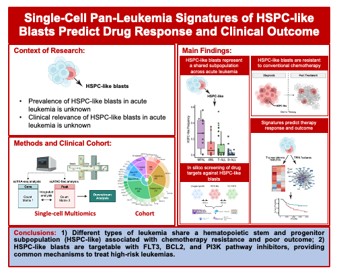
Acute leukemia relapse is driven in part by treatment-resistant leukemic stem cells that are protected by the bone marrow microenvironment. Specialized cellular niches, metabolic interactions, and cell–cell adhesion can create a protective environment that promotes chemotherapy resistance and disease persistence. Our research aims to uncover how the bone marrow microenvironment shelters residual leukemic stem cells and sustains relapse. By defining the cellular and molecular signals that support leukemia survival, we seek to identify therapeutic strategies that disrupt these protective niches and improve treatment responses.
2. T-cell Dynamics in Immunotherapy Response
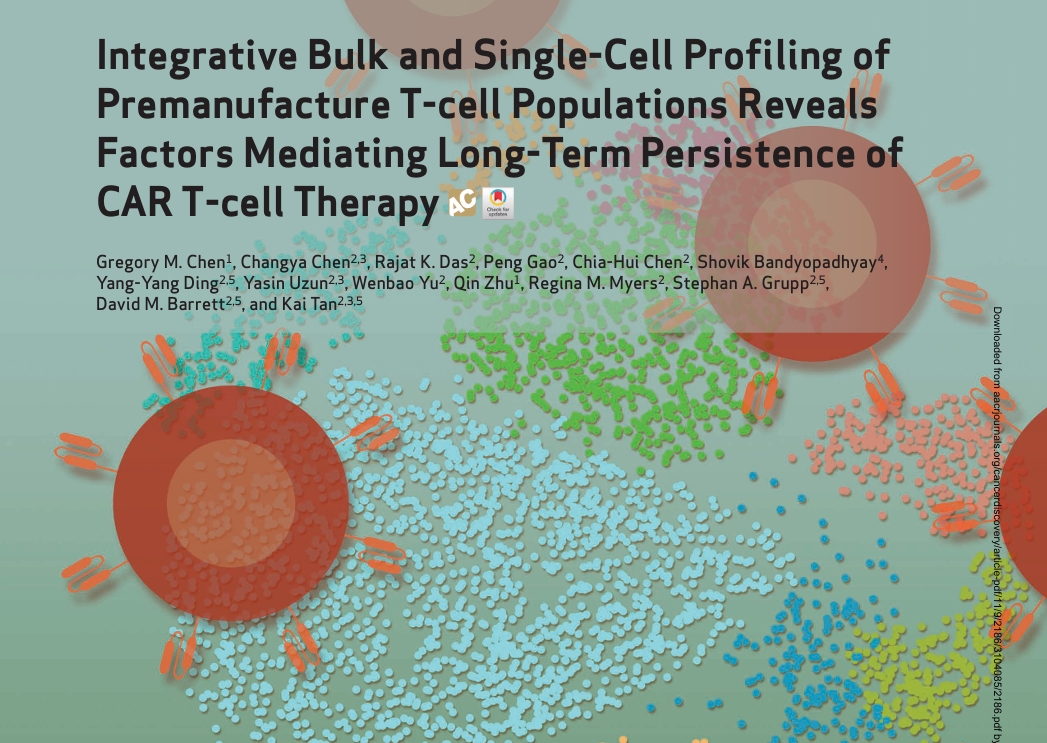
T cells are key determinants of immunotherapy efficacy in hematological malignancies. Our research focuses on the heterogeneity and dynamic changes of T cells, particularly CAR-T cells, during treatment. By integrating single-cell and multi-omics approaches, we aim to uncover mechanisms of T-cell activation, persistence, dysfunction, immune escape, and treatment resistance, and to identify potential strategies for improving therapeutic efficacy and durability.
3. AI for Omics in Hematological Diseases

Artificial intelligence is transforming the analysis and interpretation of complex omics data. Our research aims to develop and apply AI-driven approaches to integrate single-cell and multi-omics data in hematological diseases, uncover disease-associated cellular states and regulatory networks, and identify biomarkers and therapeutic targets for precision diagnosis and treatment.